Access to Water · Nutrition · Energy
Our Mission: Realizing fundamental human rights through modular and sustainable solutions.
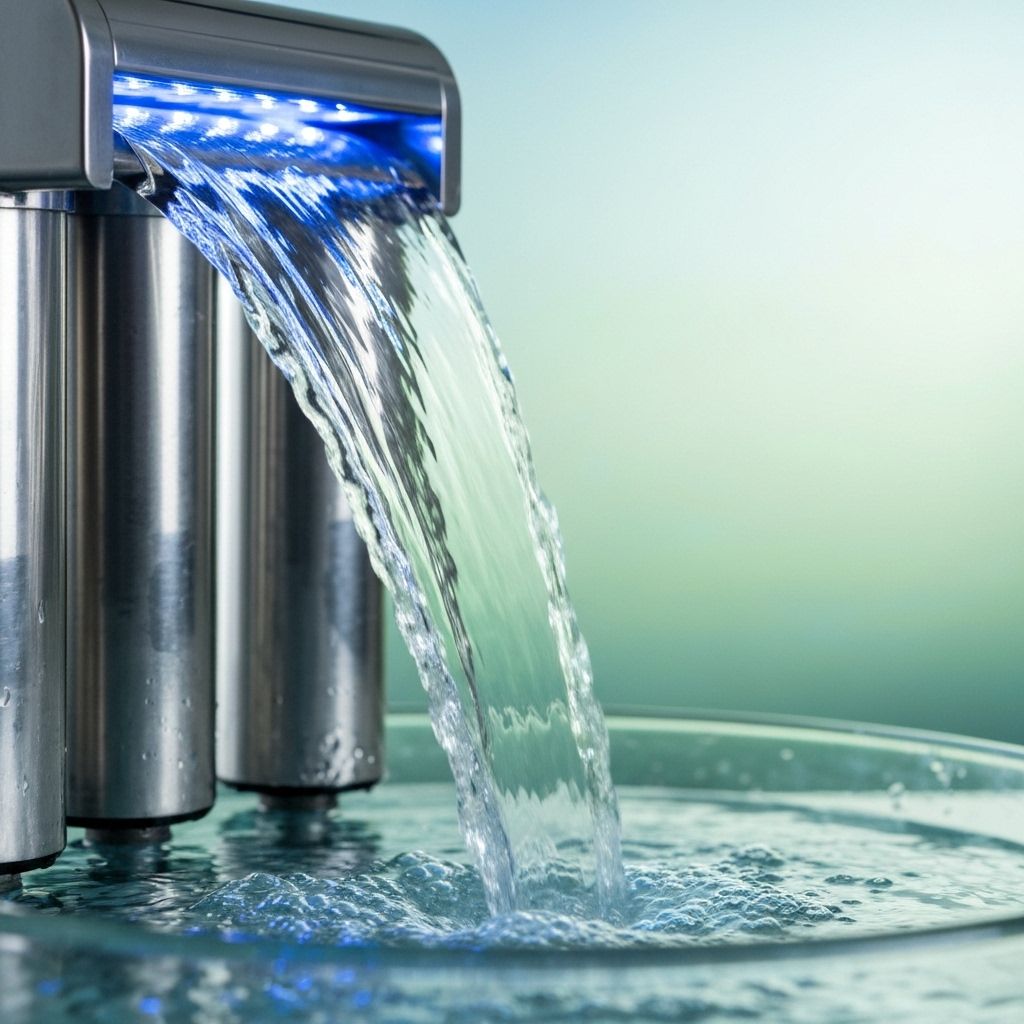
Water
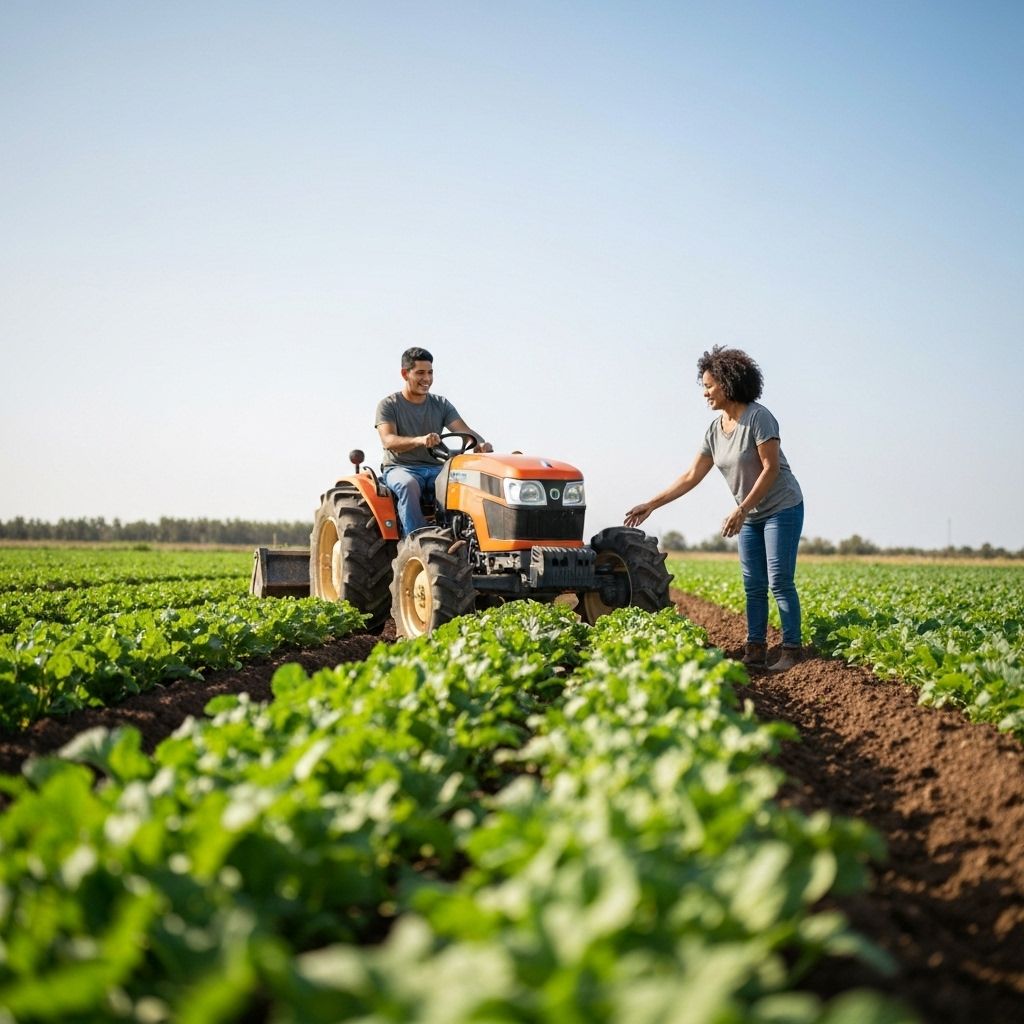
Nutrition
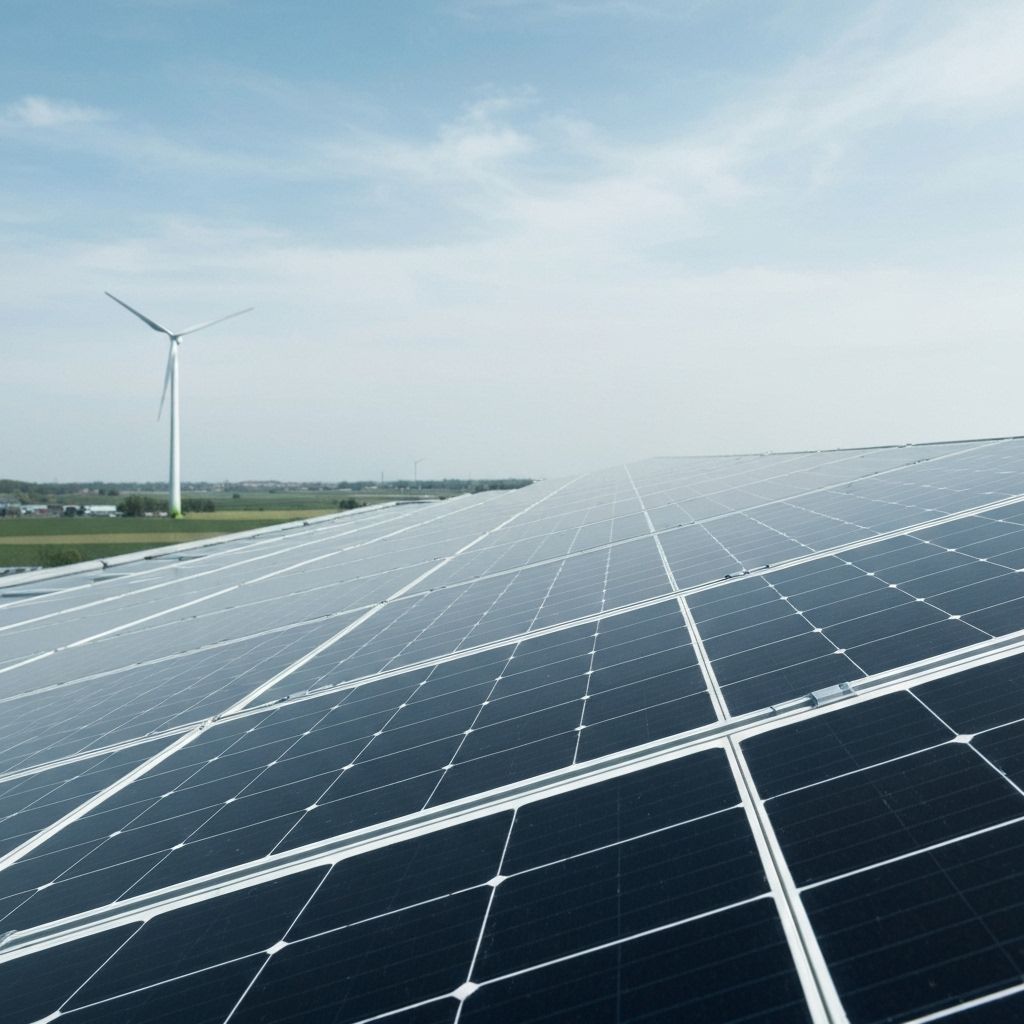
Energy
Transformative Solutions
Access to safe drinking water, improved nutrition, and reliable energy is not just a goal, but a fundamental human right. Our program offers comprehensive and innovative solutions aimed at meeting these basic needs.
SDG Compatibility
Active contribution to achieving the United Nations Sustainable Development Goals (SDGs).
Modular Approach
Integrated and modular infrastructure for holistic support of every community.
Global Impact
Fundamental improvement of living conditions in regions with the greatest need.
WNEA's Strategic Approach
Our difference: Integrated and modular infrastructure. Water supply, sanitation, agricultural resource management, and energy solutions are closely interconnected to provide holistic support to every community.
Our Solutions
Integrated solutions for sustainable development
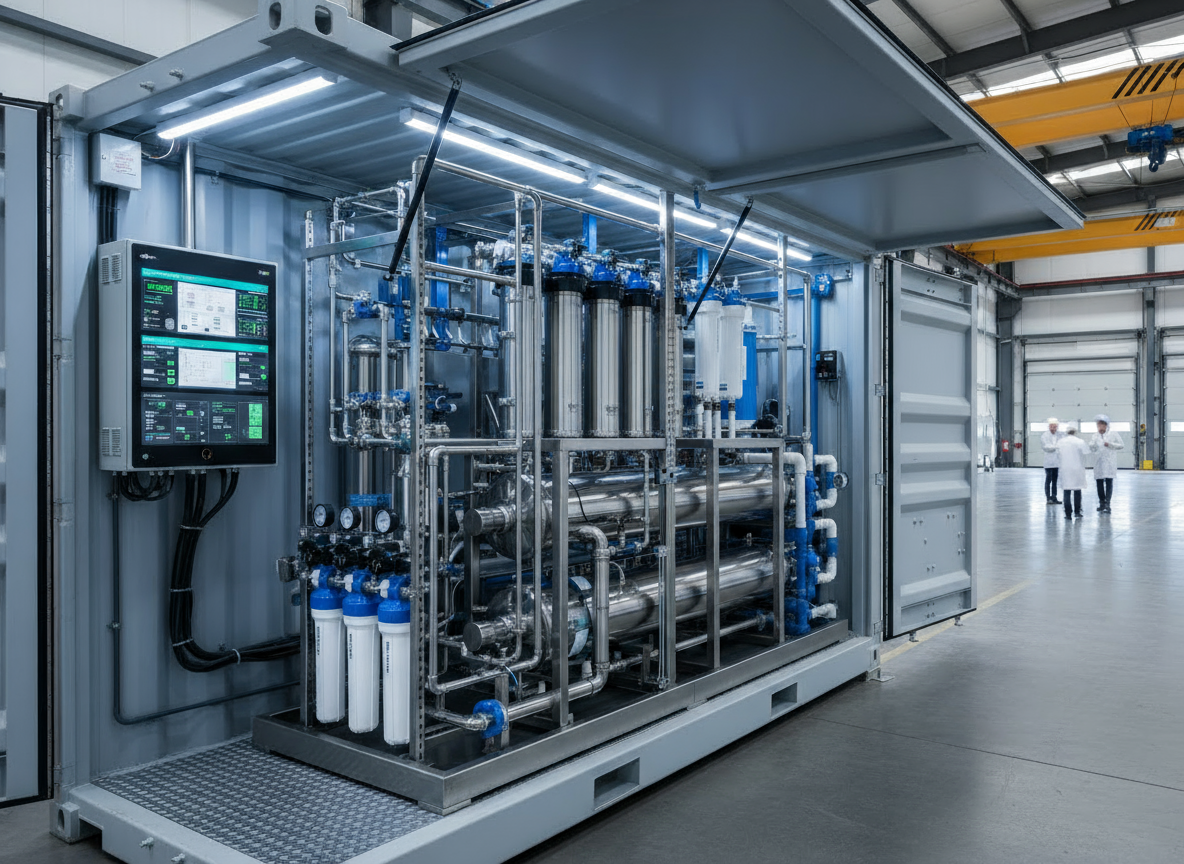
Water & Sanitation
Clean drinking water and wastewater treatment through containerized systems
Modular Solutions for Drinking Water and Sanitation
At the center of the "Water" component of the WNEA program are modular water treatment systems. These containerized units, based on state-of-the-art technologies such as Ultrafiltration (UF) and Reverse Osmosis (RO), are designed to provide rapid and reliable access to drinking water and sanitation solutions in various contexts.
The system range includes several models adapted to specific needs:
Containerized plug-and-play design enables rapid deployment and high mobility. Adapts to various water sources including brackish and seawater.
Used for humanitarian aid, rural development, and emergencies. Can integrate with SBR wastewater systems for complete sanitation.
Sustainable Agriculture
Improving food security through modern agricultural technology
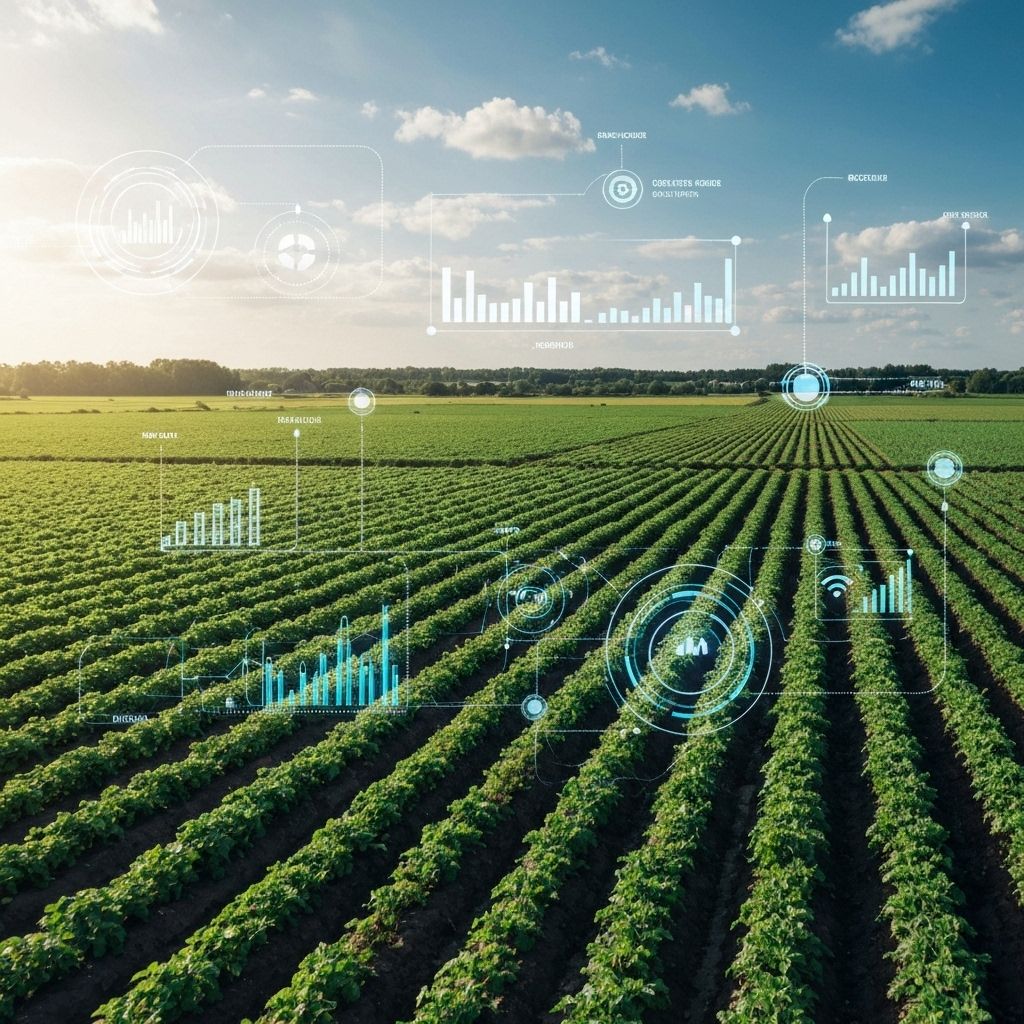
The WNEA program integrates the expertise of key partners to support effective and sustainable agriculture. To ensure that improved access to water leads to better nutrition, the agricultural component is orchestrated through digital precision agriculture and ESG monitoring:
Digital Precision Agriculture
Advanced digital tools for precision agriculture. Through the use of satellite data, AI, and machine learning, precise yield forecasts, risk management, and cultivation planning are enabled, and farmers are trained in efficient resource use and climate-resistant practices.
ESG Monitoring and Sustainability
Monitoring the ecological sustainability of agricultural projects. Through the integration of ESG monitoring with AI and IoT, the CO₂ footprint of agricultural activities is evaluated and advice is provided for environmentally friendly practices and achieving NetZero goals.
Reliable Energy
Sustainable energy supply for communities and infrastructure
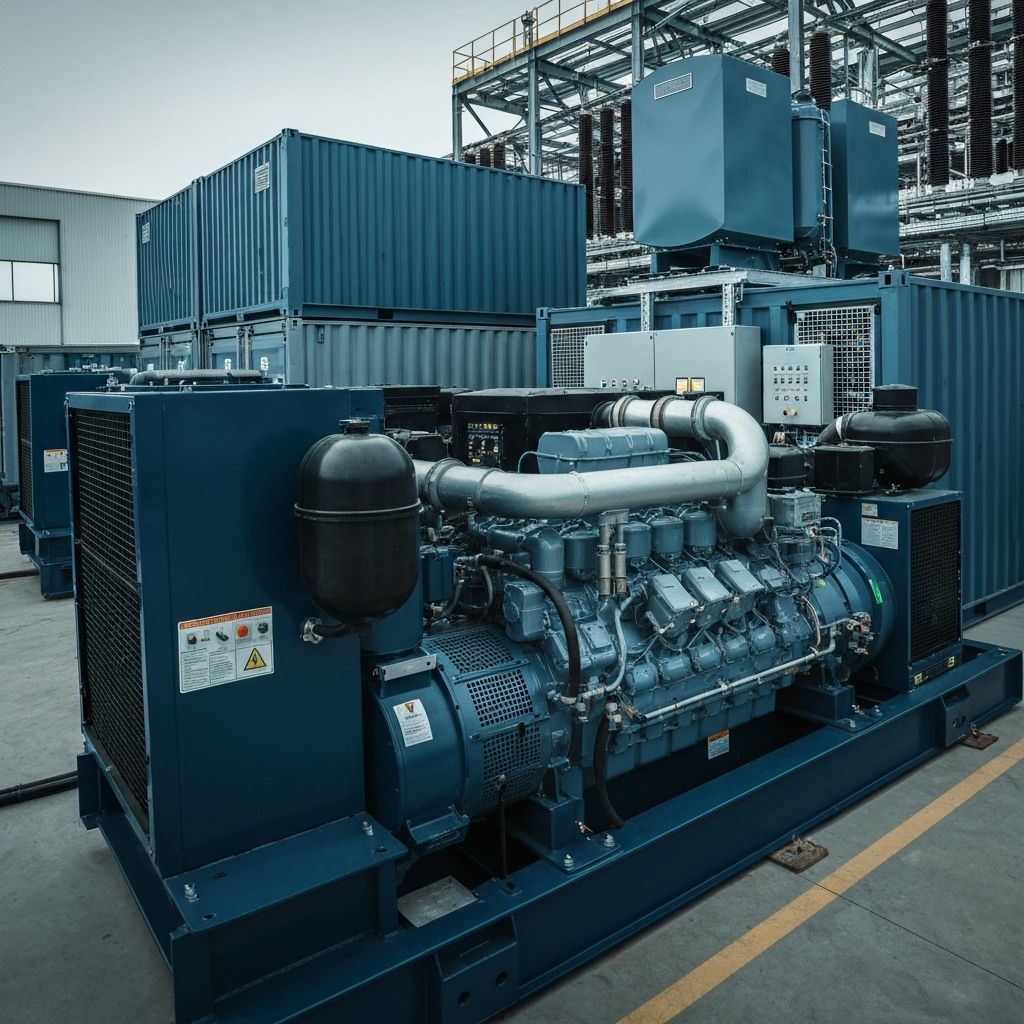
Power Supply and Generator Solutions
The program offers a comprehensive range of generators and power systems:
These containerized modular solutions complement WNEA's energy component by ensuring stable power supply in off-grid areas or those with unstable infrastructure.
The WNEA Network
The WNEA program unites the expertise of specialized partners to offer comprehensive solutions. Each partner brings their specific expertise for a complete package.
Core Operations
This category includes the main actors who define the overall vision, strategies, and direction of the program.
Strategic planning, management of adaptation processes to international standards, monitoring of financial operations, maintaining donor relationships, coordination with the United Nations and governments.
Integration of Sustainable Development Goals (SDGs), development of Environmental, Social, and Governance (ESG) strategies, conducting risk assessment analyses, and optimizing processes for long-term value creation.
Technology and Infrastructure Providers
This category includes partners who provide the technical and physical infrastructure of the program and offer integrated solutions in water, energy, and agriculture.
Design, production, management of logistics processes, installation, user training, and remote support services for modular water treatment systems.
Supply of highly efficient generators, solar modules, and hybrid energy systems, engineering planning for systems, and provision of maintenance services.
Satellite data, AI, and machine learning for yield forecasts, risk management, cultivation planning, and harvest detection.
Field Application and Capacity Building
This category describes partners responsible for local project implementation and strengthening the capacities of target communities.
Building relationships with local communities, managing cultural adaptation processes, providing logistical support, and optimizing regional resources.
Connects agricultural actors and provides structured access to agricultural markets, fertilizers, seeds, and machinery. Promotes cooperation between producers and decision-makers.
Implementation of community participation programs, provision of educational training, exploration of additional funding sources, and monitoring of humanitarian impacts.
Local Support and Integration
This category defines partners who improve the operational efficiency of the program, ensure collaboration with local stakeholders, and conduct sustainability reporting.
Monitoring ESG performance, conducting carbon footprint analyses, optimizing water consumption, and ensuring corporate sustainability reporting.
Ensuring integration into national and local development plans, obtaining necessary permits, and coordinating long-term infrastructure operations.
Financing & Impact
Project Financing Sources
✅ Requirements for Financing:
- •SDG Compatibility: Especially SDG 2, 6, 7, 13
- •Thematic Priorities: Climate protection, poverty reduction, green infrastructure, WEFE-Nexus
- •Financing Forms: Grants, low-interest loans, guarantees, blended finance
European Union (EU)
Multiannual Financial Framework (MFF) 2021-2027 with focus on Green Deal, developing countries, Africa/Asia
IPA III (Instrument for Pre-Accession Assistance)
Volume: €14 billion | Regions: Western Balkans, Turkey | Focus: Water, renewable energy
NDICI (Neighbourhood, Development and International Cooperation)
Volume: €79 billion | Global; focus Africa/Asia | Topics: WEFE-Nexus, green energy
EFSD+ (European Fund for Sustainable Development)
Volume: €40 billion (guarantees) | Purpose: Blended finance for green projects
Additional Programs: Horizon Europe (Research & Innovation), EU4Energy (Energy Efficiency)
World Bank Group
IDA (International Development Association)
Form: Grants and low-interest loans | Target: Poorest countries | Project volume: Up to $1 billion for water infrastructure
IFC (International Finance Corporation)
Focus: Private sector | Areas: Green water and energy projects, venture capital
Special Initiatives: Expansion of hydrogen financing
KfW Development Bank
On behalf of BMZ (Federal Ministry for Economic Cooperation)
Climate Financing
Volume: > €6 billion per year | Focus: Renewable energy, water in developing countries
Africa/Asia Green Energy
Up to €500 million for water-energy integration
develoPPP.de
Up to €2 million per project for agricultural technology and energy access
Cooperations: Closely linked with EU and World Bank
Other Financing Partners
EIB (European Investment Bank)
Volume: Up to €50 billion annually for climate and energy
AfDB (African Development Bank)
Region-specific expertise, focus on Africa
Finance in Common
Network of public development banks (PDBs) | Focus: Green projects
BMZ Climate Fund
€6 billion (processed through KfW)
🧩 Conclusion: WNEA can access a diversified portfolio of international financing sources particularly focused on climate-relevant, nexus-oriented infrastructure projects in developing and crisis countries. The combination of grants, loans, and guarantees enables tailored financing for different project phases and contexts.
UN Sustainable Development Goals (SDGs)
Concrete Contributions:
Through building basic supply infrastructure, creating local jobs, and economically strengthening disadvantaged regions.
Through provision of fertilizers, seeds, and training for climate-resilient agriculture.
Through access to drinking water, stable energy for medical facilities, and hygienic wastewater solutions.
Through practice-oriented training programs for farmers, technicians, and local operators.
Through mobile water treatment plants, ecological sanitation facilities, and decentralized wastewater treatment.
Through the use of solar energy and mobile power solutions in off-grid areas.
Through local value creation, training, plant operation, and services.
Through robust and scalable technical solutions for water, energy, and agriculture.
Through establishing urban supply centers such as water kiosks, emergency power sources, and wastewater solutions.
Through eco-efficient technologies, water recovery, and optimized resource use.
Through renewable energy sources, efficient technologies, and sustainable agricultural practices.
Through intensive cooperation with governments, donors, technology providers, and civil society partners worldwide.
Become Part of the Solution
Together we can create sustainable change
WNEA e.V.
Water, Nutrition & Energy Access
UNGM: 1123173
01159 Dresden
Deutschland
For Institutional Partners
Development banks, NGOs, governments, and international organizations
info@wnea.deLinkedIn